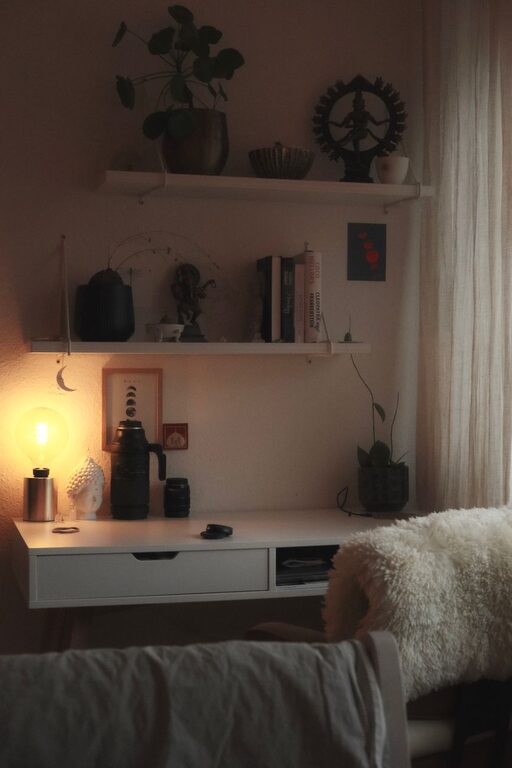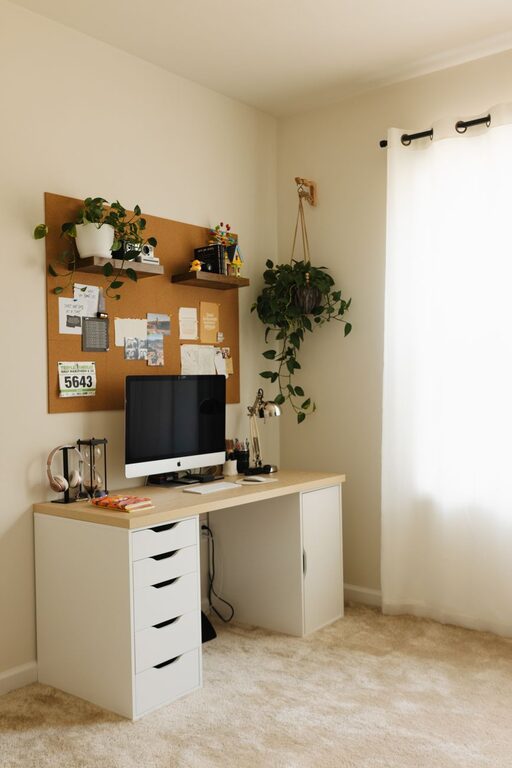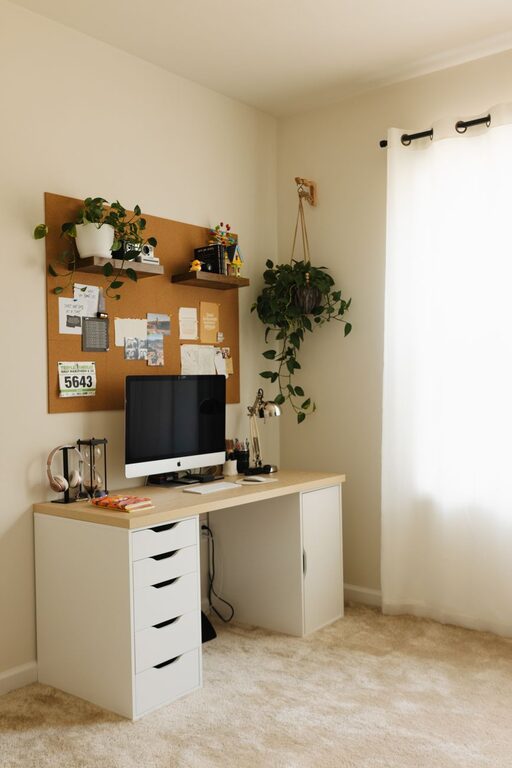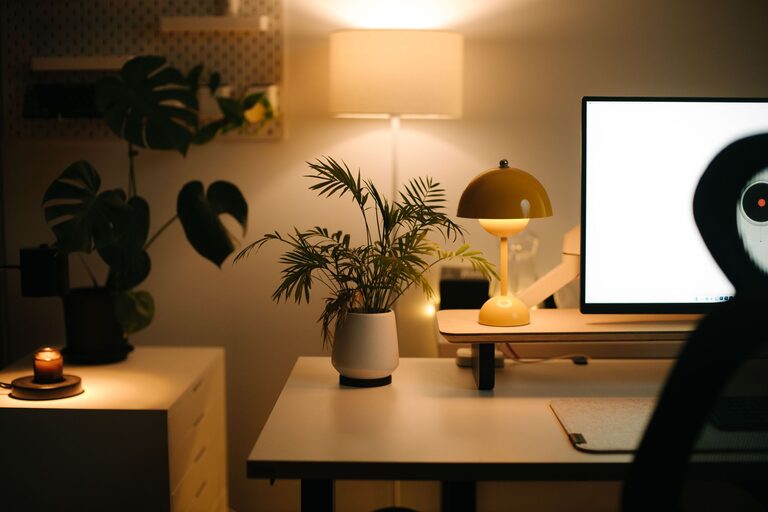





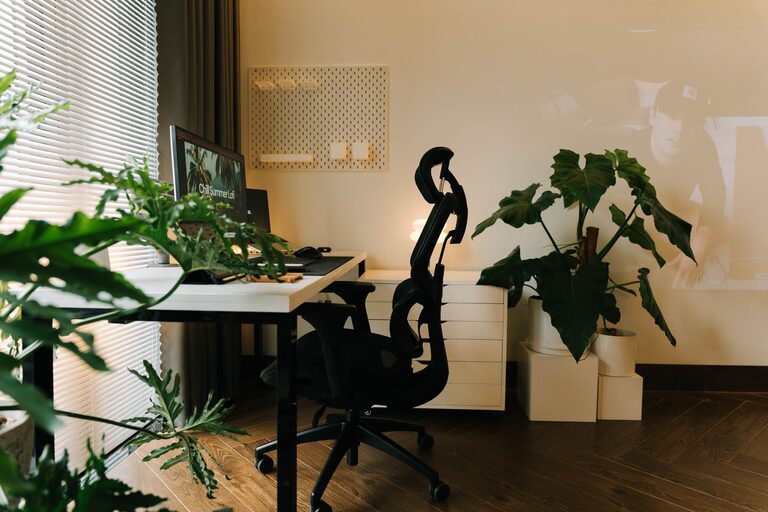
Creating a home office that feels both comfortable and calming can make a big difference in your workday. A relaxing workspace helps reduce stress and improve focus, allowing you to work more efficiently. Whether you have a dedicated room or a small corner in your home, thoughtful design and organization can transform any space into a peaceful, productive environment.
In this post, we’ll share practical tips to help you create a relaxing home office that supports your well-being and work goals.
Choose the Right Location
Find a Quiet Spot
Start by selecting a space in your home that’s as quiet as possible. Avoid high-traffic areas or places near noisy appliances. If absolute quiet is hard to find, consider using noise-cancelling headphones or adding soft background music to help you concentrate.
Prioritize Natural Light
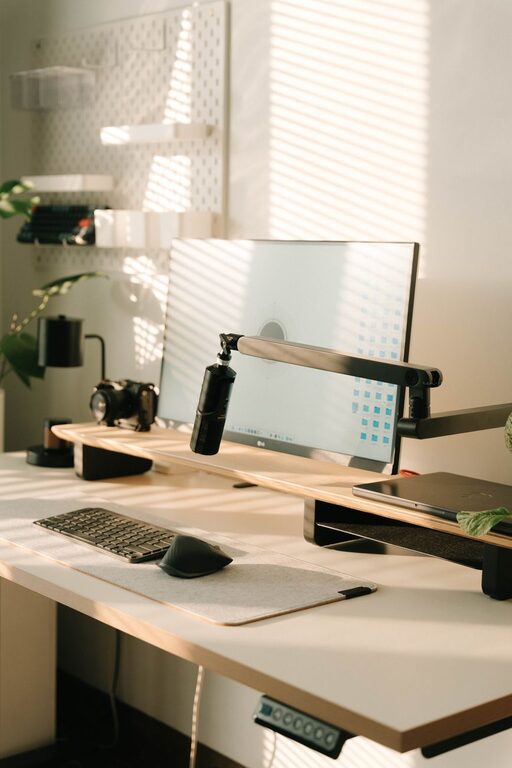
Natural light can boost mood and energy levels. Try to position your desk near a window to benefit from daylight. If natural light is limited, invest in adjustable, warm-toned artificial lighting to keep your space bright without causing eye strain.
Invest in Comfortable Furniture
Ergonomic Chair and Desk
Investing in an ergonomic chair and desk can greatly improve comfort during long work hours. Choose a chair that supports your back and allows you to sit with feet flat on the floor. Your desk should be at a height that lets your arms rest comfortably while typing.
Add Personal Comfort Items
Consider including a footrest, cushions, or a small blanket to increase comfort. These small additions create a cozy atmosphere that invites you to settle in and focus.
Organize and Declutter
Keep Essentials Within Reach
Arrange your most-used items like pens, notebooks, and chargers so they’re easy to access. Use drawer organizers or desktop trays to keep small items tidy.
Regularly Declutter
Clutter can increase stress and distract you from work. Set a weekly routine to clear your desk and filing areas, keeping only what you need for your current tasks.
Use Calming Colors and Decor
Choose Soothing Colors
Colors like soft blues, greens, and neutrals are known for their calming effects. Paint your walls or select office accessories in these shades to create a tranquil environment.
Add Plants
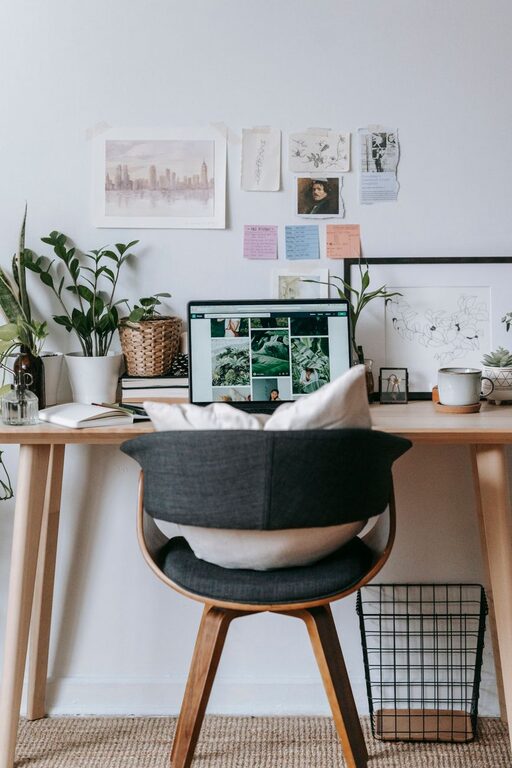
Plants not only improve air quality but also add a touch of nature, which can reduce stress. Low-maintenance options such as succulents, snake plants, or pothos are great choices for a home office.
Display Personal Touches
Photos, art, or meaningful objects can make your workspace more inviting. Just be careful not to overcrowd the space, which could create visual clutter.
Manage Technology Wisely
Cable Management
Messy cables can create a chaotic look. Use clips, sleeves, or cable boxes to keep cords organized and out of sight.
Reduce Screen Glare
Position your monitor to avoid glare from windows or lights. Anti-glare screen protectors can also help reduce eye strain.
Take Regular Breaks from Screens
To keep your eyes healthy and mind fresh, follow the 20-20-20 rule: every 20 minutes, look at something 20 feet away for at least 20 seconds.
Incorporate Mindful Moments
Create a Relaxation Corner
If space allows, designate a small area for relaxation—such as a comfy chair or a yoga mat. Use this spot to stretch, meditate, or simply take a short break.
Use Aromatherapy
Scent can influence mood. Consider using essential oils like lavender or eucalyptus in a diffuser to create a calming atmosphere.
Maintain Good Air Quality
Ventilation is Key
Good airflow helps maintain energy and focus. Open windows when possible or use a fan or air purifier to circulate fresh air.
Keep It Clean
Dust and allergens can affect comfort and health. Regularly clean surfaces, vacuum floors, and wash fabrics in your office space.
Set Boundaries and Routine
Define Your Work Hours
Establish a clear schedule to separate work time from personal time. This helps your brain switch modes and maintain a healthy work-life balance.
Communicate Your Space’s Purpose
If others are at home during your work hours, kindly let them know your schedule and the importance of minimizing interruptions.
—
Creating a relaxing home office doesn’t have to be complicated or expensive. By focusing on comfort, organization, and atmosphere, you can design a space that supports your productivity and well-being every day. Try implementing these tips gradually and customize your workspace to what makes you feel most calm and focused.