



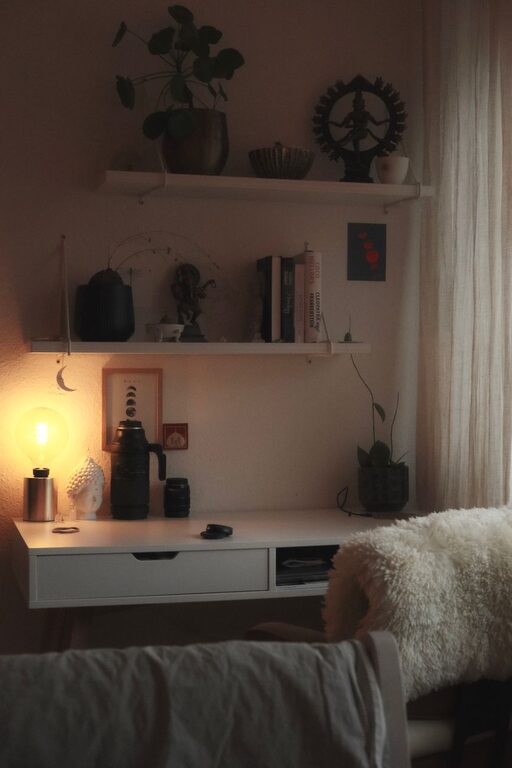
Creating a relaxing home office environment is essential for maintaining productivity, reducing stress, and fostering a positive mindset throughout your workday. With many people working remotely or spending more time at home, having a workspace that feels comfortable and inviting can make a big difference in your overall work experience. Below are practical tips and ideas to help you design a home office that combines functionality with tranquility.
Why a Relaxing Home Office Matters
A well-designed workspace can improve concentration, boost creativity, and prevent burnout. When your office feels like a pleasant place to be, you’re more likely to enjoy your work and complete tasks efficiently. On the other hand, clutter, poor lighting, and uncomfortable furniture can create distractions and discomfort.
Choose the Right Location
Find a Quiet Spot
Select a space in your home where noise and interruptions are minimal. If possible, choose a room with a door so you can close off distractions when you need to focus.
Use Natural Light
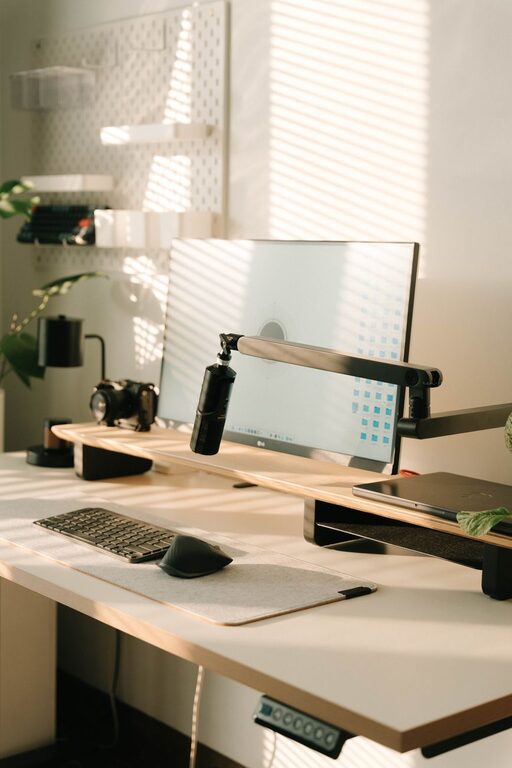
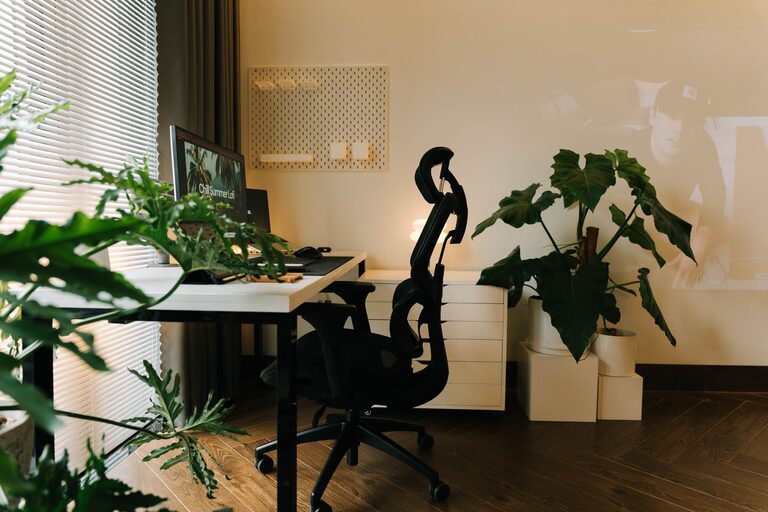
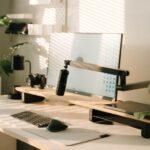
Position your desk near a window to maximize natural sunlight. Natural light enhances mood and reduces eye strain, creating a more inviting atmosphere. If your space lacks windows, invest in good quality artificial lighting that mimics daylight.
Design for Comfort and Ergonomics
Invest in a Good Chair and Desk
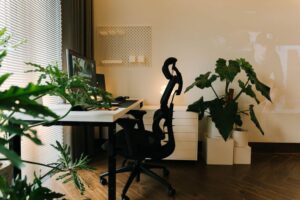
Comfortable seating is a must. An ergonomic chair supports your posture and prevents back pain. Pair it with a desk at the right height so your arms rest comfortably without strain.
Arrange Equipment Thoughtfully
Keep essential items like your computer, keyboard, and phone within easy reach to avoid unnecessary stretching or twisting. Use cable organizers to keep cords neat and out of the way.
Declutter and Organize
Keep Surfaces Clear
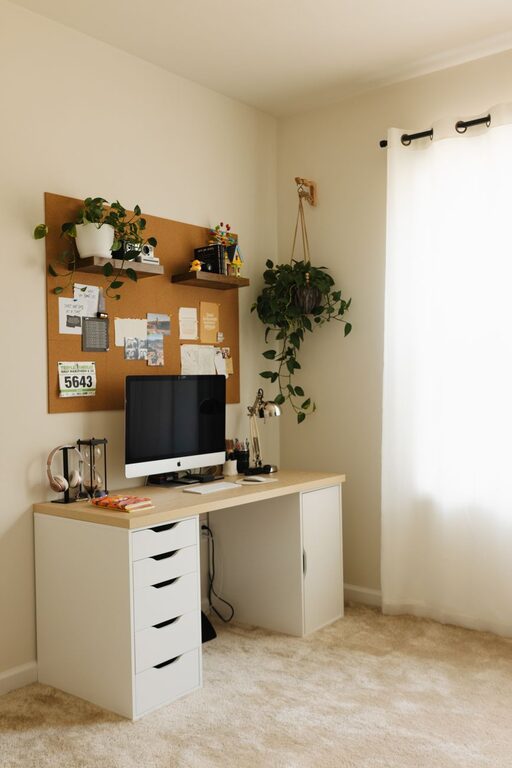
A cluttered desk can lead to a cluttered mind. Limit the items on your desk to those you use daily. Store other supplies in drawers or shelves.
Use Storage Solutions
Shelves, filing cabinets, baskets, and drawer organizers help keep paperwork and supplies tidy. Label storage containers for easy access.
Create an Inspiration Zone
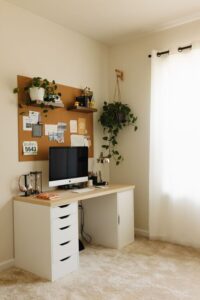
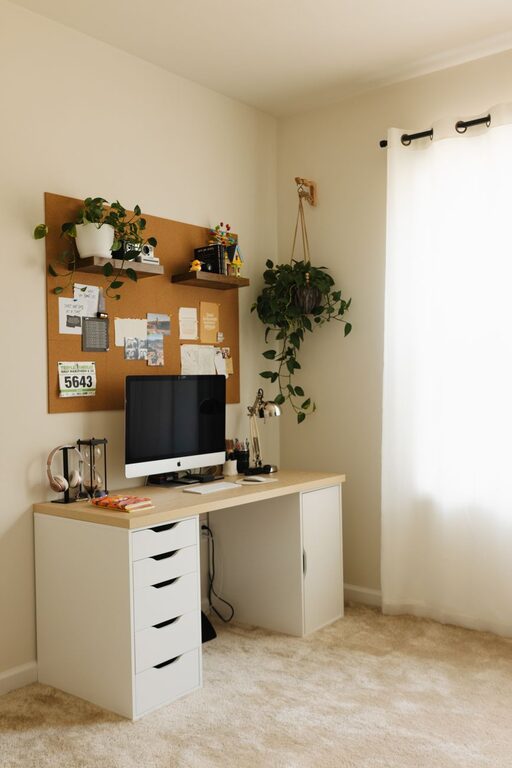
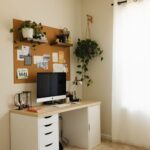
Consider a small bulletin board or a drawer devoted to notes, ideas, or motivational quotes. A designated space for inspiration helps balance structure with creativity.
Incorporate Soothing Colors and Decor
Choose Calming Colors
Soft blues, greens, and neutrals are known for their relaxing qualities. Paint your walls or add decorative elements in these tones to create a calming atmosphere.
Add Natural Elements
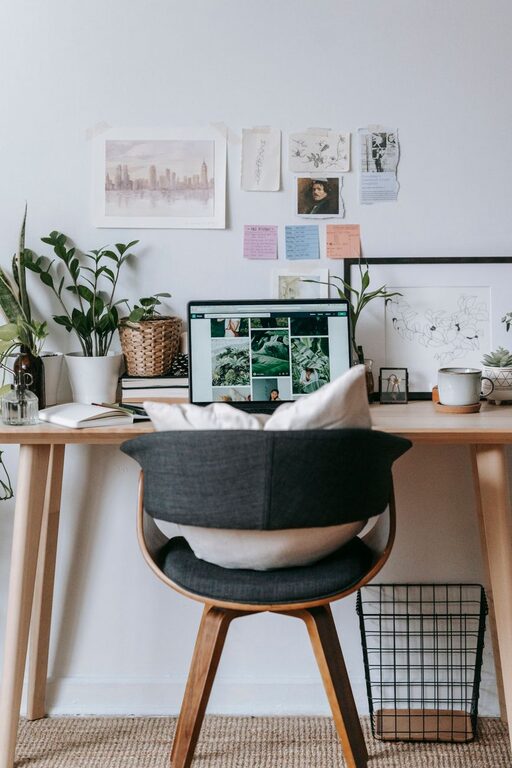
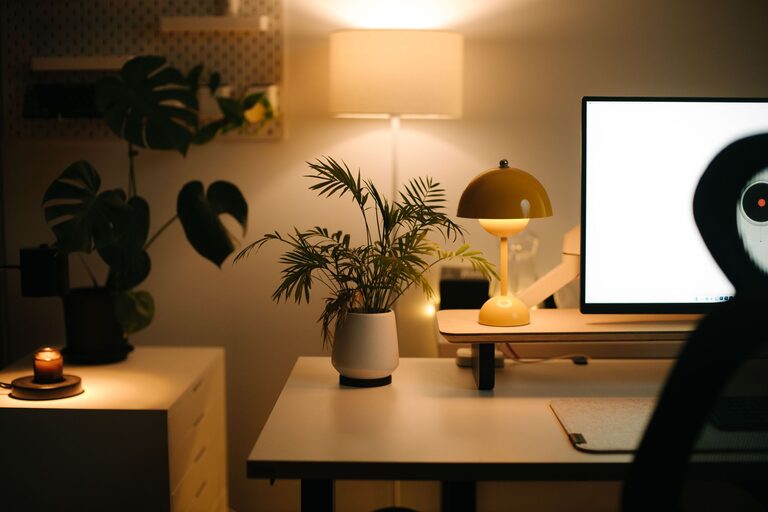
Plants can improve air quality and add a touch of nature to your office. Even small succulents or a vase of fresh flowers can boost your mood.
Personalize Your Space
Include artwork, photos, or objects that bring you joy. A personal touch makes your office feel welcoming and less sterile.
Manage Noise and Distractions
Use Soundproofing Techniques
If outside noise is an issue, consider rugs, curtains, or acoustic panels to absorb sound. Noise-canceling headphones can also help you focus.
Minimize Digital Interruptions
Set specific times to check emails and social media. Use focus tools or apps to block distracting websites during work hours.
Optimize Air Quality and Temperature
Ventilate Regularly
Fresh air promotes alertness and well-being. Open windows when possible or use an air purifier to keep your office air clean.
Control Temperature
Ensure your office stays at a comfortable temperature. Use fans, heaters, or climate control devices as needed to avoid discomfort.
Take Breaks and Move
Schedule Regular Breaks
Step away from your desk every hour to stretch or walk. Movement refreshes your body and mind.
Create a Relaxation Corner
If space allows, set up a small area with a comfortable chair or cushion where you can take short mental breaks, meditate, or practice deep breathing.
—
Creating a relaxing home office doesn’t require a big budget or drastic changes. By focusing on comfort, organization, lighting, and personalization, you can design a space that supports your productivity and well-being. Try these tips gradually and notice how small improvements can make your work-from-home experience more enjoyable and effective.